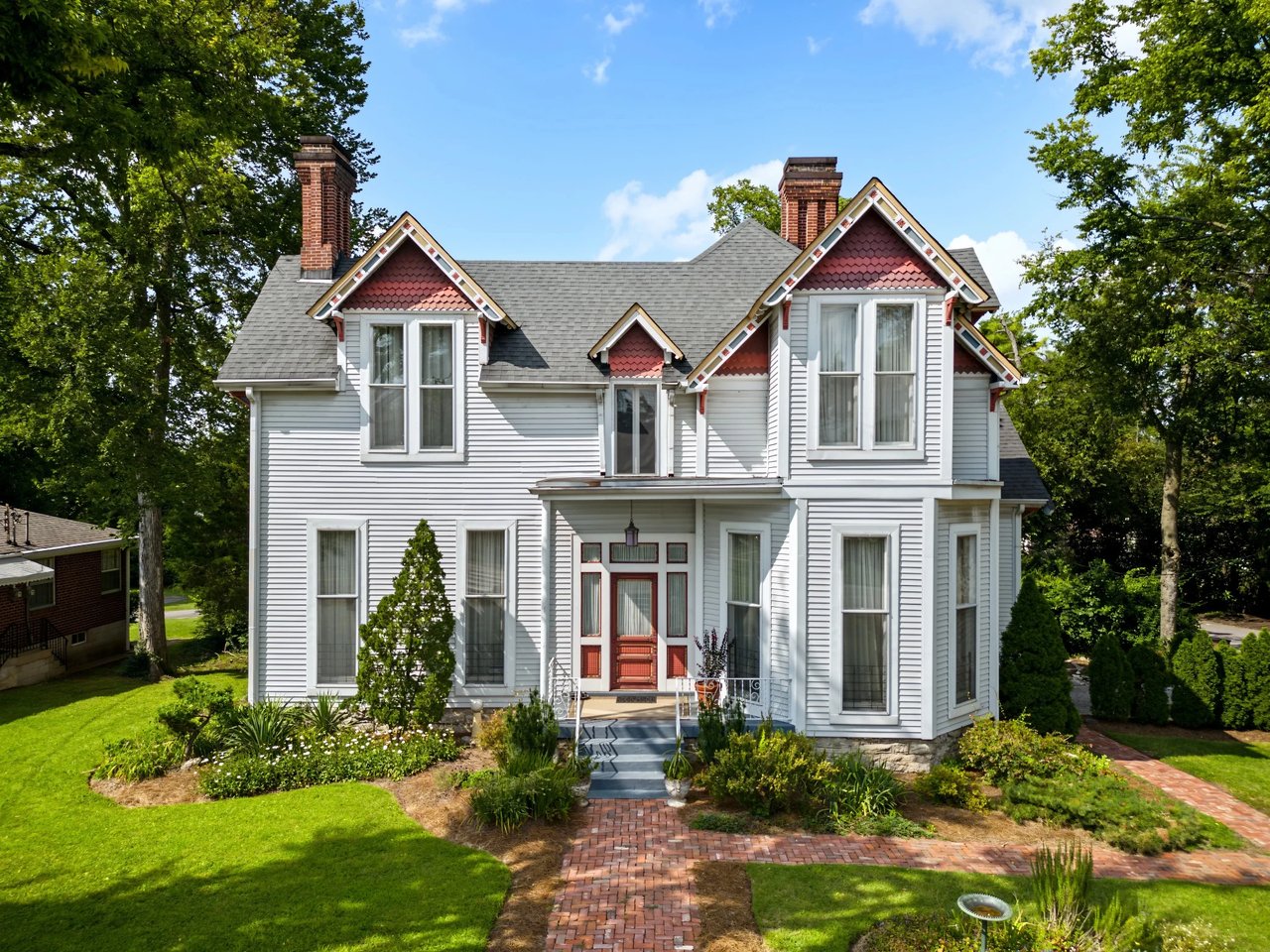
A Nashville home’s age and architectural style do not tell you what you can change. Before buying around a renovation idea, check the exact parcel, any historic zoning overlay and the rules for the work you need to do.
The important distinction is whether the house already works for you or only works after a change. If a larger kitchen, another bedroom or a garage is essential, that question belongs near the beginning of your search.
Three things that are easy to confuse
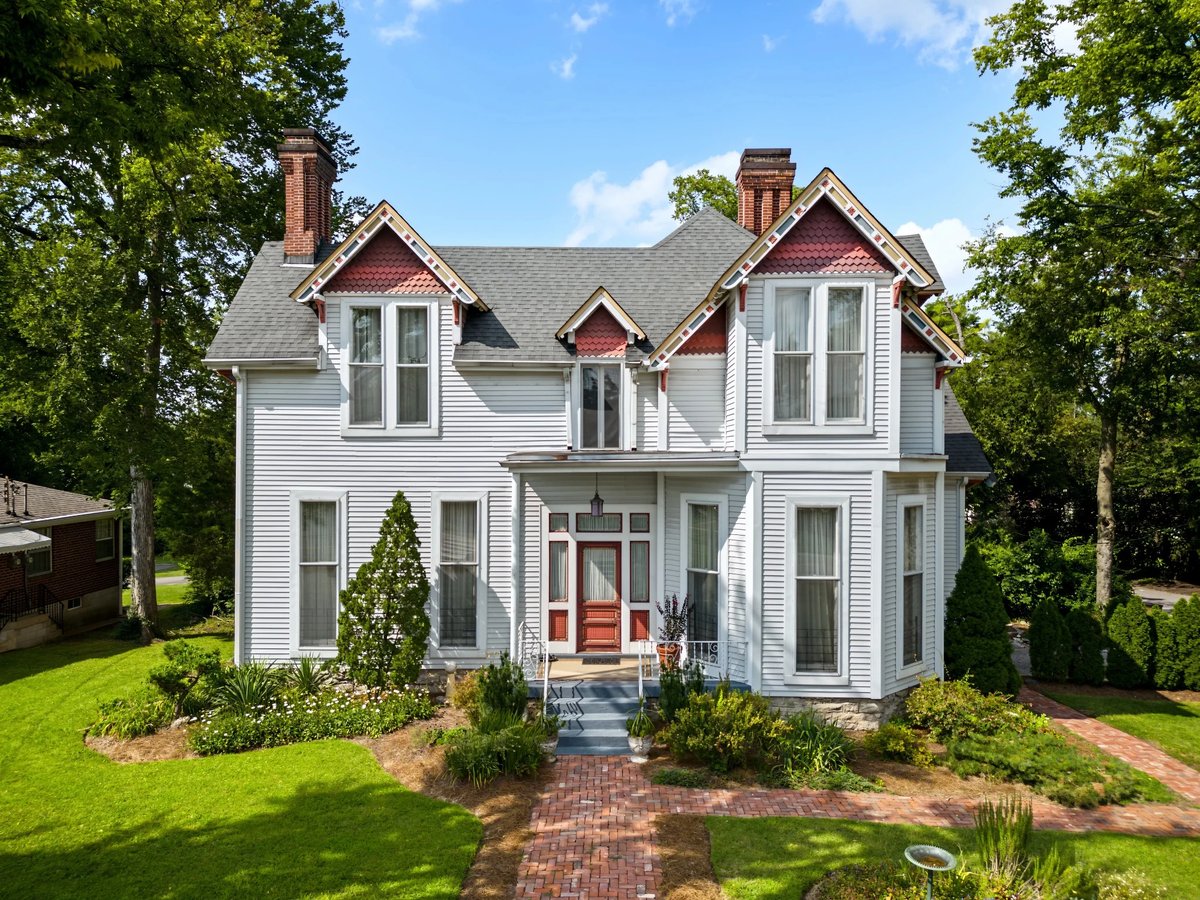
An older house
A listing might call a home historic because of its age or appearance. Treat that description as a reason to investigate. It is not a parcel-level zoning finding.
National Register recognition
The Tennessee Historical Commission explains that National Register listing does not, by itself, require its permission to alter a privately owned property. Local zoning protections are separate. Projects involving federal funding, permits or licensing can introduce federal review, so National Register recognition is not a universal answer about restrictions.
A local historic zoning overlay
Nashville’s overlays can require architectural review. The type matters. The city’s Neighborhood Conservation guidelines distinguish review of new construction, additions, demolition and relocation from the broader exterior-alteration review in Historic Preservation and Historic Landmark overlays. Do not assume that a window replacement and a rear addition follow the same path.
Find the parcel, then the right guidelines
Use the parcel tools linked from Nashville’s current Districts and Design Guidelines page. Confirm the address, parcel, overlay type and district with Historic Zoning staff when anything is unclear.
The city lists separate Belmont-Hillsboro guidelines. Richland-West End and Waverly-Belmont are among the districts covered by the turn-of-the-century Neighborhood Conservation documents. That is why a familiar neighborhood name is not enough: you need the documents that apply to this property. Do not extend one district’s rules to every nearby street.
Save the official links with your property notes. Nashville’s historic zoning information is now under the Planning department; an old bookmark or a past listing may lead to an outdated page.
Describe the change before asking whether it is allowed
“Can we renovate?” is too broad to settle the decision. Bring staff and your design professional a specific idea:
- Rear addition: which rooms you need, roughly how much space, and whether the roofline or building height would change.
- Garage or outbuilding: proposed location, size, access and intended use.
- Exterior work: what you would repair or replace, including windows, masonry and porch features.
Those are questions for review, not a list of permitted projects. Separate what you must have from what would simply be nice. A home can remain a good choice even if a preferred change needs a different approach. It is a different decision when the change is essential to making the house livable for you.
Ask for the history of the work, not just the finished photos
Request available permits, approved drawings and records for earlier additions or significant alterations. Compare the available records with what you see. If a seller has plans for future work, ask whether they are a concept, a submitted application or an issued approval. Have the issuing authority explain the status and whether it can support your proposal.
Nashville’s Preservation Permit process distinguishes staff-reviewed work from proposals requiring Commission review. It also notes that most projects need a Codes building permit. An encouraging conversation is not an issued permit, and historic review is not the whole permitting process.
Keep condition and permission in separate columns
A project could be acceptable under zoning and still be expensive or impractical for the building. Have appropriate professionals evaluate the structure and systems, then develop scope and cost information for the changes that matter to you. Conversely, a contractor’s ability to do the work does not establish permission to do it.
For each candidate, keep four short notes: what works now, what must change, what the records establish and what remains unresolved. Arrange the necessary review within the time provided by your purchase agreement. Do not assume an approval or estimate will arrive before your deadline.
Buy the house that fits your plan
Send Tyler the address and the one change that would make or break the purchase. Henson Team can help organize the questions and coordinate the right reviews before you build your decision around an assumption.
Explore Nashville, our Buying approach and the existing property search. Considering a condo instead? Our downtown condo and penthouse guide looks at a different set of ownership questions.
By Tyler Henson, Henson Team. Published October 1, 2026. Official sources checked on that date. This guide addresses Nashville-Davidson County; other communities have their own authorities and rules.
