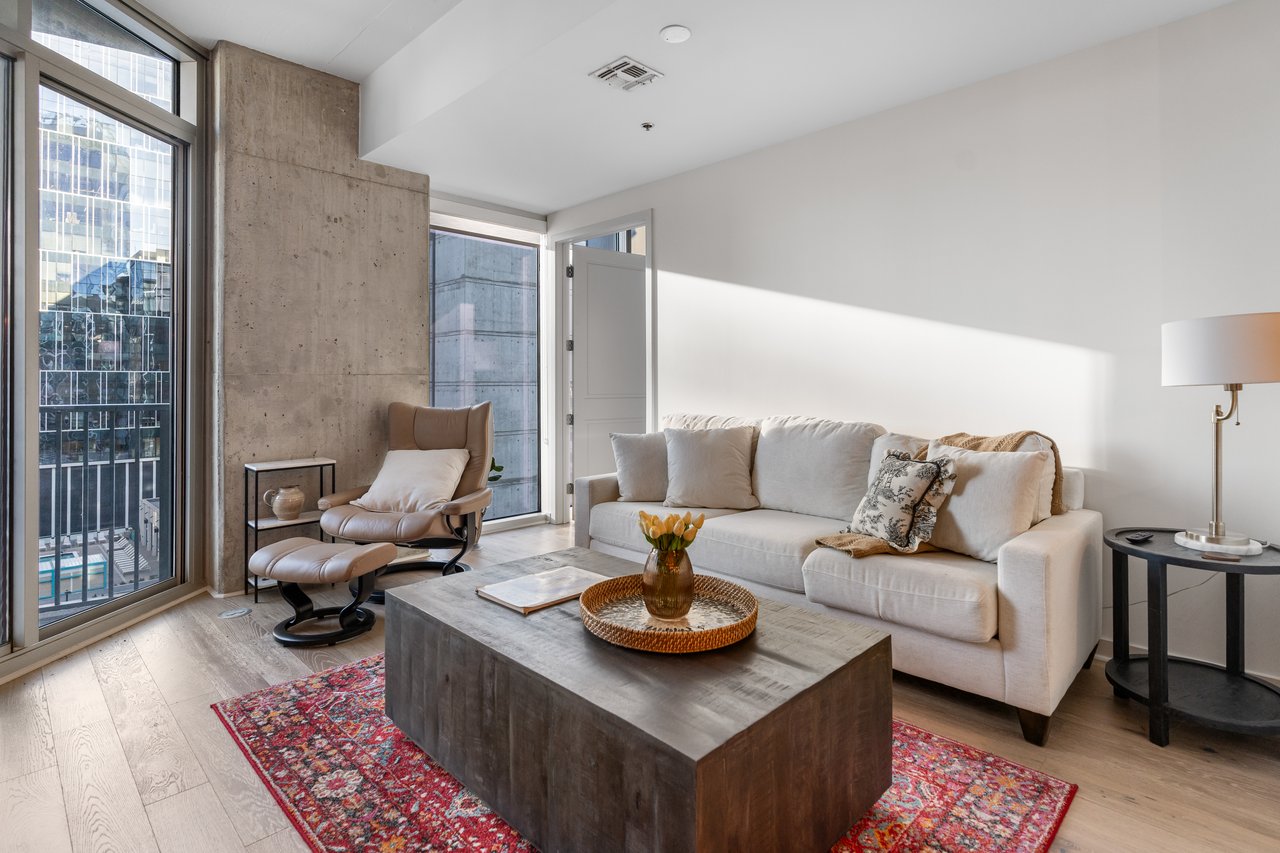
Buying a downtown Nashville condo or penthouse means choosing a building and a daily routine along with the home. Before you decide, verify what you own, what the association covers, what you will pay and whether the building allows the way you intend to use the property.
A furnished home with a good view can make a Nashville base feel simple. The ownership details are what determine whether it will actually be simple for you.
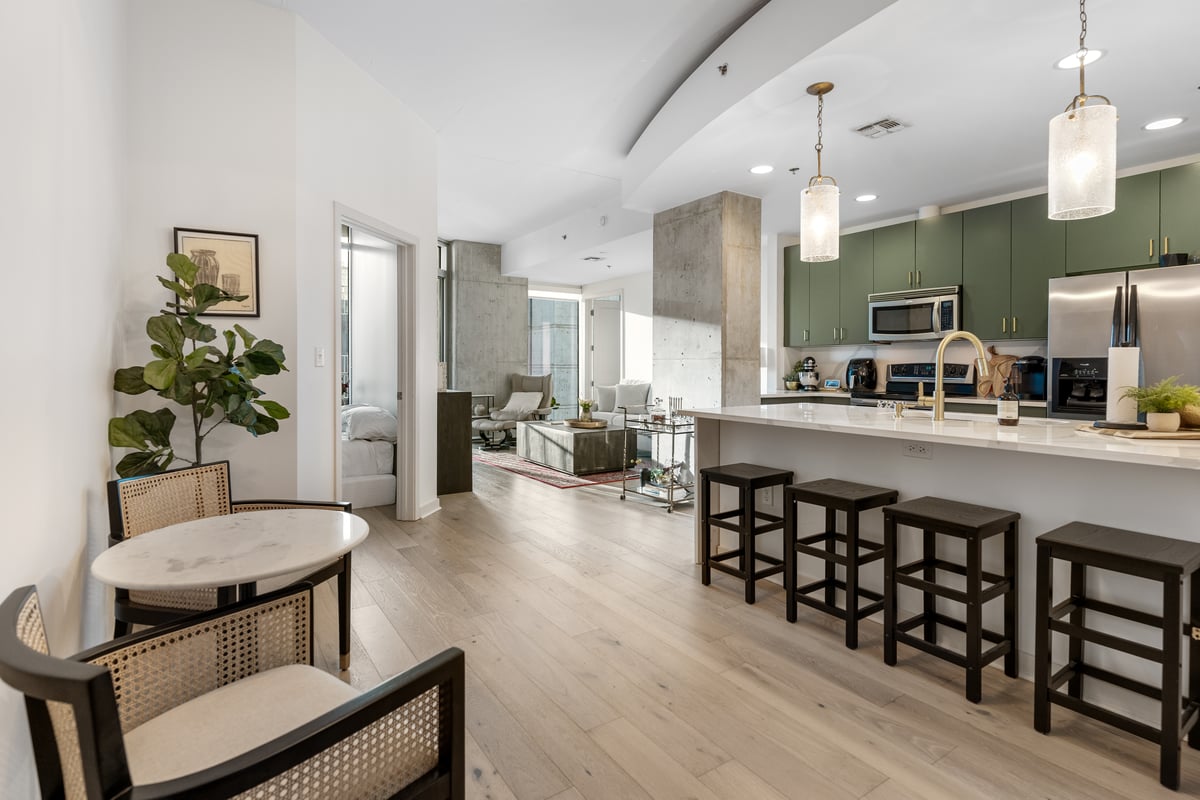
Start with how you will use it
Are you living here full time, returning for work and events, or keeping a second home? Write down how often you expect to arrive, whether guests will stay without you and whether renting the home is part of the plan.
Keep those uses separate. Being able to leave the home between visits does not establish permission to rent it. A furnished listing also needs a clear agreement about which furnishings and equipment are included.
Tour the trip from the car to the front door
Ask to see the actual parking space, storage and entrance you would use. Is the parking deeded, assigned, leased or handled another way? Confirm the answer in the relevant documents. Ask about a second vehicle, visiting guests, vehicle height and charging if those affect you.
Then try the arrival with luggage or groceries in mind. Where do deliveries go? How do guests enter? What happens when an elevator is being serviced? If you travel often, ask who can access the unit for maintenance and how building staff handle an urgent issue while you are away.
Downtown and the Gulch can put different destinations within reach. Walk your actual route to the places you expect to visit. Look at crossings and entrances, and visit at a time that resembles your normal schedule. A map pin does not tell you what an evening arrival feels like.
Read the view from inside the home
Spend time in the rooms you will use most. Notice daylight, glare, nearby buildings and sound. Look at balcony exposure and the relationship between outdoor space and adjacent units. Ask about exterior maintenance and any planned work that could affect windows, balconies or access.
For a penthouse, confirm the features that make it different rather than relying on the name. Outdoor areas, mechanical equipment, private elevators or roof access can create different ownership and maintenance questions. Ask who owns each element and who is responsible when it needs work.
Put the dues beside the building’s obligations
Request the association’s current budget, available financial statements, reserve information, recent meeting minutes and information about pending or approved assessments. Ask what the dues cover and what you must arrange separately. Look for the explanation of major repairs and how they will be funded.
Compare total ownership cost, not just the listed dues. Include taxes, your insurance, parking charges where applicable, utilities not included in the dues and any known assessment obligations. Use actual documents and quotes rather than an online estimate alone.
If you are financing, involve your lender early. Fannie Mae’s project review guidance includes building documents, budgets, reserves and insurance among the information lenders may need. Your personal loan qualification and the project’s eligibility are different questions. Requirements depend on the loan and review type.
Know where building insurance ends
Ask an insurance professional to review the master policy and the coverage you need for the unit, contents and intended use. Confirm responsibility for improvements, deductibles and losses affecting more than one unit. Do not assume the association’s policy covers everything inside your front door.
Fannie Mae’s master-policy requirements are useful context for financed purchases. They do not substitute for a property-specific coverage review.
Check rental plans at both the building and city level
Ask for the recorded governing documents and current rental policies. Confirm minimum lease terms, rental caps, waiting lists and any approval process that matters to your intended use. A seller’s rental history should prompt investigation, not an assumption that you can repeat it.
For short-term use, review Metro Nashville’s current permit rules as well as the building restrictions. Metro’s application guidance reflects an online process introduced March 11, 2026. Have the city confirm eligibility for the exact address and proposed use. Do not assume an existing permit transfers with a sale.
Keep a building comparison, not just a favorites list
For each candidate, note your intended use, parking and storage rights, what dues include, known assessments, insurance questions and anything still waiting on documents. Add the daily details you noticed during the tour. Two attractive units can create very different ownership experiences.
Explore Nashville and use the existing property search to compare homes. Our earlier lock-and-leave article introduces that use case, while the Buying guide explains the broader purchase process.
Bring the building into the conversation
Send Tyler the unit and how you would use it. Henson Team can help you compare the home and the building, gather the relevant information and coordinate the lender, insurance and other professional reviews you need.
By Tyler Henson, Henson Team. Published October 1, 2026. Official sources checked on that date. Building policies, financing and permit eligibility require current, property-specific confirmation.
