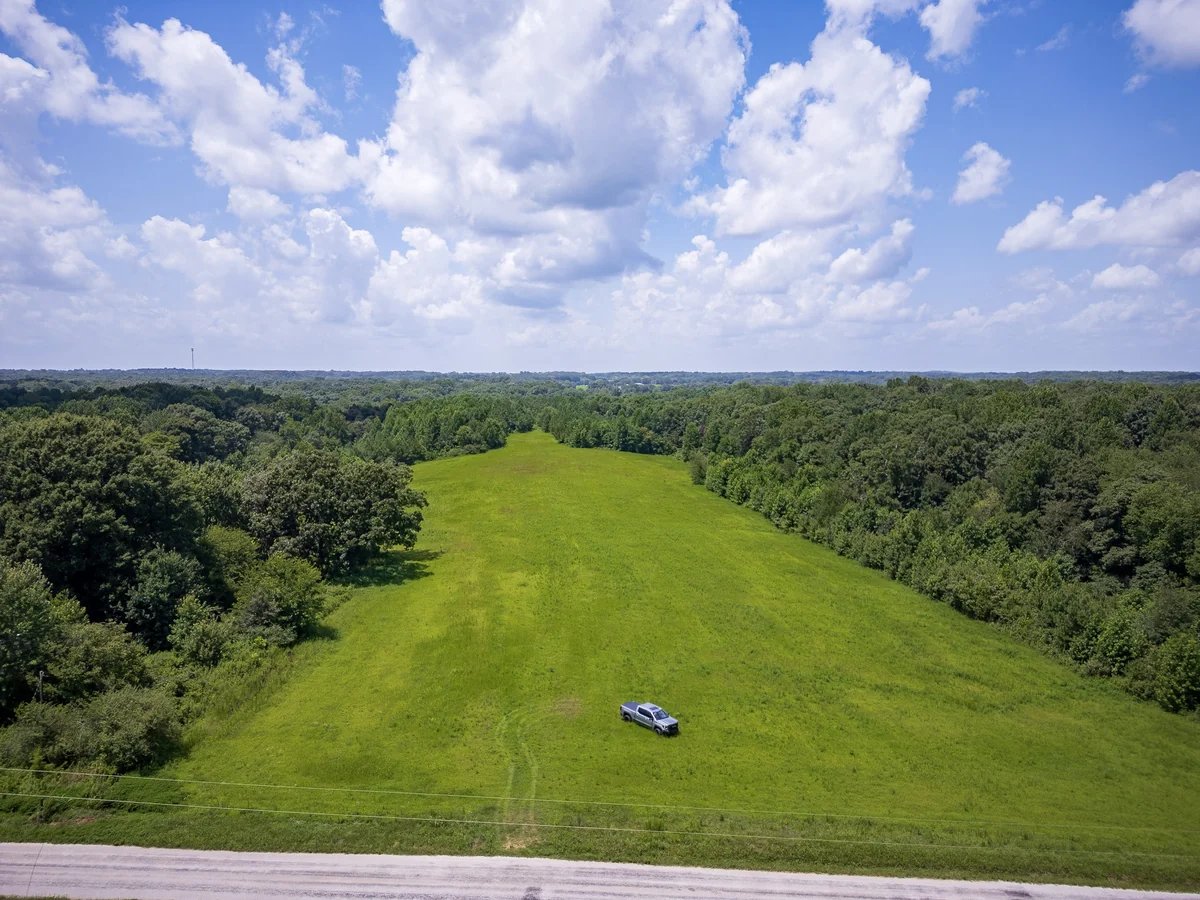
Before you spend money getting an estate or farm ready for photos, gather the records that explain the property. Buyers need to understand more than the rooms and acreage. They need to know what belongs to the property, how it works and which future plans still need approval.
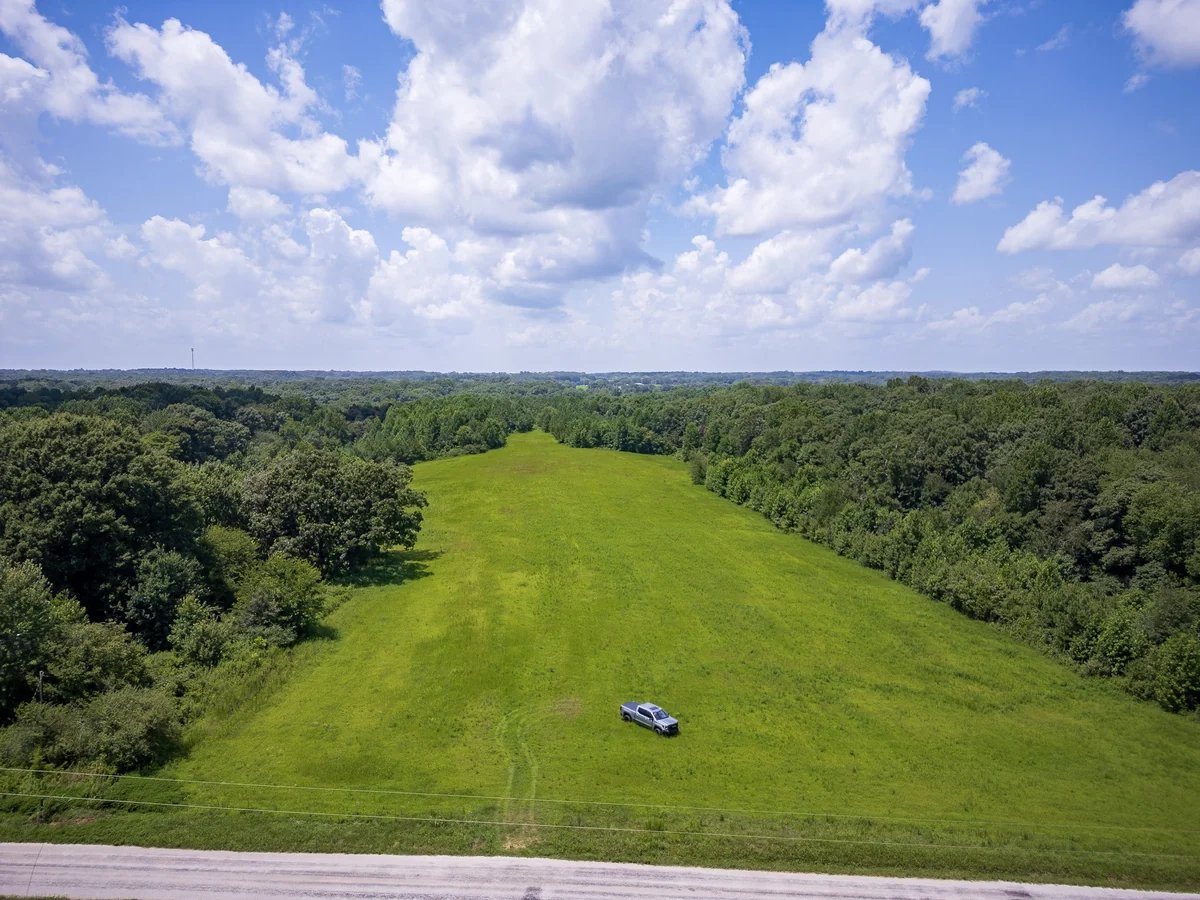
That can mean a guest house and pool near Franklin, a long drive and barn in College Grove, or pasture and a well outside Lawrenceburg. A useful property file puts those details in one place. It also separates what you can document from what still needs an answer.
What are you actually selling?
Start with the deed, available survey, recorded plat and parcel information. If more than one tract is involved, identify each one. Note anything you plan to keep: equipment, portable structures, fixtures or a portion of the land. Resolve the proposed sale boundaries before marketing the acreage as one simple number.
The Lawrence County Register of Deeds keeps recorded deeds and plats, but its guidance specifically says tax and aerial maps are not official surveys. It also directs title questions to an attorney or title company. A map screenshot and a clear title are different things.
Include access documents if the drive crosses another parcel or serves someone else. Who maintains a shared drive? Are there recorded easements or restrictions? Gather the documents rather than trying to settle those questions from memory.
Keep improvements and approvals together
Make a short inventory: house, guest quarters, barn, shop, pool, fencing and other substantial improvements. Beside each, keep the available plans, permits, invoices and warranties. Record approximate dates as approximate if you cannot establish them.
An invoice explains work that was paid for. A permit or approved plan answers a different question. Neither should be represented as the other. If a converted space is used as a bedroom, or a barn has living quarters, flag the use for review instead of assuming it can be advertised that way.
For an estate in Brentwood, Franklin or Thompson’s Station, confirm the authority for the exact address. Williamson County’s Planning and Zoning department serves unincorporated areas. A mailing address does not establish whether county or municipal rules govern your property.
Find the wastewater records before promising expansion
If the property uses septic, gather the available permit, system layout, installation or inspection records, and maintenance history. Identify the issuing office. Williamson County manages its own septic program; TDEC’s online service process expressly excludes Williamson and several other locally administered counties.
TDEC’s guidance identifies bedroom increases and construction affecting septic areas as reasons a modification permit may be needed. Do not turn extra acreage into a promise of another house, more bedrooms or a pool. Have the responsible office evaluate the actual proposal.
Our guide to what “it percs” really means explains the distinction between soil information and approval for a particular plan. It is just as useful when preparing a property for sale.
Explain the work of owning it
Put together the practical information you would want if you were buying the property yourself:
- Water and utilities: providers, available well records, service locations and any equipment you own or lease.
- House and grounds: service history for major systems, pool equipment, irrigation, gates and other substantial features.
- Farm arrangements: written leases or agreements involving pasture, hay, hunting, equipment or someone else’s use of the land.
- Known questions: missing records, uncertain boundaries, unresolved repairs or uses that need confirmation.
Keep sensitive account numbers and personal information out of a public marketing packet. The working file can be more detailed than the information shared publicly.
A useful file does not have to be a perfect file
Use three headings: we have it, we have requested it, and we still need an answer. That keeps a missing document from quietly becoming an unsupported claim. This file supports buyer review; it does not replace required disclosures, inspections or professional advice.
You do not need to complete all of this before calling us. Tell Tyler about the property and when you would like to sell. Henson Team can help sort the records, decide which questions need professional review and prepare the property’s presentation around what makes it useful to the next owner.
Explore our Selling approach and Land & Farms experience, from Williamson County estates to rural Southern Middle Tennessee.
By Tyler Henson, Henson Team. Published October 1, 2026. Official sources checked on that date. Requirements and approved uses depend on the property and responsible authority.
